
Dental care is health care.
Many pets begin to show signs of dental disease without proper care as they age. Just like people, dogs and cats benefit from routine dental care in Tinley Park to prevent discomfort and serious health concerns. Veterinary Clinic of Tinley Park provides comprehensive veterinary dentistry to protect your pet’s teeth, gums, and long-term health.



Dental Care as Part of Preventive Health
Dental care is a component of preventive medicine because oral health is closely connected to full-body health. Pets who do not receive routine dental care will develop periodontal disease within a few years. When dental disease is left untreated, bacteria from the mouth can enter the bloodstream, where they can potentially affect organs such as the heart, liver, and kidneys.
Over time, poor dental health in a cat or dog can lead to:
Over time, poor dental health in a cat or dog can lead to:
- Pain
- Difficulty Eating
- Bad Breath
- Tooth Loss
- Systemic Health Problems
Teeth Cleaning for Dogs and Cats
Dental cleanings are one of the most effective oral health treatments.
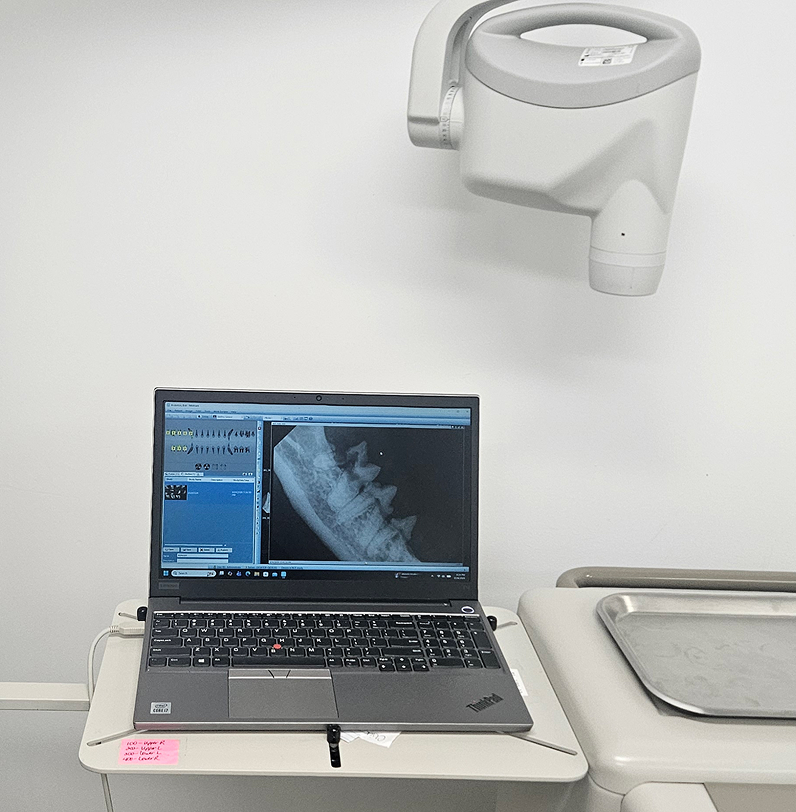
During a dental cleaning, our veterinary team performs a complete oral examination, including X-rays, followed by the removal of plaque and tartar and polishing of the teeth. A teeth cleaning is what really maintains your pet’s oral health, even if you are brushing their teeth at home. Because your pet will be placed under anesthesia, our veterinarian can more thoroughly examine your companion’s full oral cavity, too, to check for any issues.


Tooth Extractions and Oral Tumor Removal
In some cases, additional dental procedures may be necessary to restore your pet’s health. Our team is able to perform tooth extractions when a tooth is severely damaged, infected, or causing pain. We can also evaluate and remove certain oral masses or tumors.
When possible, these procedures are performed during the same visit as your pet’s dental cleaning. Combining treatments into one appointment minimizes stress for your pet.
Our priority is always your pet’s comfort, and we take care to ensure they receive appropriate pain management and support throughout their treatment and recovery.
Our priority is always your pet’s comfort, and we take care to ensure they receive appropriate pain management and support throughout their treatment and recovery.
How to Care for Your Pet’s Teeth At Home
Simple habits can slow the buildup of plaque and tartar.
You can contribute to good oral health by brushing your pet’s teeth with pet-safe toothpaste. Dental chews or toys may help with plaque buildup (just be sure not to overfeed your pet with treats).
Our team is happy to recommend products that are safe and effective for your pet. If you’re unsure how to get started, we can even perform a tooth brushing demonstration during your pet’s visit.
It’s best to introduce dental care routines when your animal companion is young so they become comfortable with the process, but it’s never too late to start! With patience and consistency, most pets will learn to tolerate or even enjoy their dental care routine.
Our team is happy to recommend products that are safe and effective for your pet. If you’re unsure how to get started, we can even perform a tooth brushing demonstration during your pet’s visit.
It’s best to introduce dental care routines when your animal companion is young so they become comfortable with the process, but it’s never too late to start! With patience and consistency, most pets will learn to tolerate or even enjoy their dental care routine.
Dental Care FAQs
How often does my pet need a teeth cleaning?
Most pets benefit from dental cleanings every 6 to 12 months, but the exact frequency depends on your pet. During your pet’s annual wellness exam, we’ll evaluate their oral health and recommend a cleaning schedule that works best for them.
Why is anesthesia necessary for my pet’s dental cleaning?
Anesthesia is necessary for a veterinarian to perform a thorough and safe cleaning. Humans know to sit still during a dentist appointment for their cleaning and X-rays. Cats and dogs will not do the same. It would be stressful for them to be awake, not to mention dangerous if they tried to chew on the equipment.
How can I tell if my pet has a dental problem?
Signs of dental issues may include bad breath, drooling, difficulty eating, pawing at the mouth, red or bleeding gums, or visible tartar buildup. Some pets may not show obvious signs, which is why routine exams and dental X-rays matter!
Is bad breath in dogs normal?
No! While a mild odor can occur, persistent or strong bad breath is often a sign of dental disease. Strong bad breath or an unexplained change in smell should be evaluated by a veterinarian. Please schedule an appointment if your dog has a change in their breath!

Book a Visit for Pet Dentistry in Tinley Park, IL
All pets deserve healthy teeth and gums. Veterinary Clinic of Tinley Park has pet dental care services for dogs and cats in our community. If you have questions about your pet’s dental health or it’s time for a cleaning, contact our clinic to schedule an appointment.
Veterinary Clinic of Tinley Park provides dentistry for dogs and cats from Tinley Park, Orland Hills, Arbury Hills, Alpine, Mokena, Marley, Homer Glen, Orland Park, Oak Forest, Palos Park, Palos Heights, Alsip, Blue Island, Matteson, Frankfort Square, Frankfort, New Lennox, and neighboring Illinois areas.