Surgery is a significant decision.
When your pet needs a procedure, it’s natural to feel concerned and want reassurance that they are in good hands. The team at Veterinary Clinic of Tinley Park performs safe pet surgery in Tinley Park. We approach each case with thoughtful consideration, from your companion’s initial consultation through recovery.
Surgical Care with Our Veterinary Team
Our veterinarian performs soft-tissue surgeries for dogs and cats. Before any procedure, we have a consultation to evaluate your pet’s condition and determine whether surgery is the best path forward.
We believe pet owners should feel involved when making decisions about their companion’s health. During your consultation, we’ll answer any questions you may have so that you can feel comfortable moving forward with your pet’s care plan.
We believe pet owners should feel involved when making decisions about their companion’s health. During your consultation, we’ll answer any questions you may have so that you can feel comfortable moving forward with your pet’s care plan.
Spay and Neuter
Most pets will be neutered or spayed in their lifetime.
These procedures are typically performed at a young age, but they can be done later in life, too. Our team will discuss the timing of spay or neuter surgery based on your pet’s individual situation.
Why spay or neuter your pet? Just some of the benefits include:
- Stopping pregnancy
- Preventing or lowering the chances of certain cancers
- Reducing the risk of life-threatening infections like pyometra
- Decreasing hormonal behaviors, such as roaming or marking
Soft-Tissue Procedures Performed Here
In addition to spay and neuter surgeries, our vet at Veterinary Clinic of Tinley Park can perform:
- Cyst Removal
- Mass / Tumor Removal
- Foreign Body Removal
- Cystotomy (Bladder Surgery)
- Bowel Obstruction Surgery
- Hernia Repair
- Cherry Eye Repair
- Exploratory Surgery
- And More
If your pet requires a procedure not listed here, we encourage you to call and see if it is within our scope of practice.
What to Expect on Your Pet’s Surgery Day
Simple habits can slow the buildup of plaque and tartar.
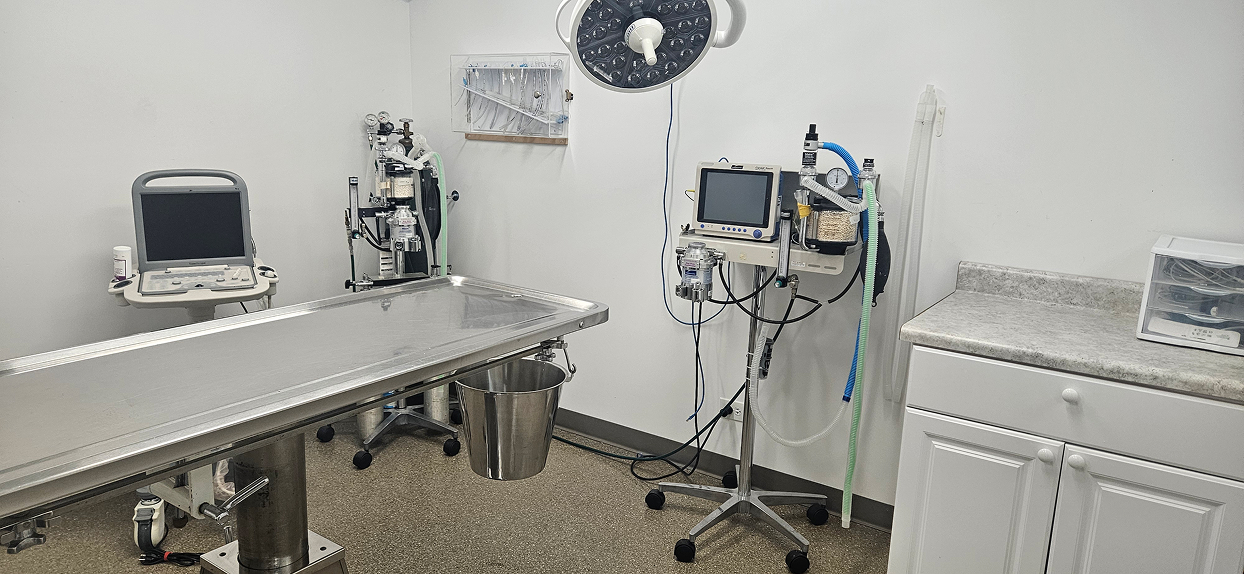
All surgical procedures are performed in a clean surgical suite, where pets are carefully monitored throughout. During surgery, we closely track vital signs such as heart rate, breathing, and temperature to verify that your pet is stable. Our experienced team is attentive at every point in the process.
After the procedure, we will give you detailed post-operative care instructions so you know exactly how to support your pet at home. This may include guidance on activity restriction, medications, incision care, and follow-up visits.
In some cases, we may recommend laser therapy to support healing during recovery. Our goal is to help your pet heal as comfortably as possible.
After the procedure, we will give you detailed post-operative care instructions so you know exactly how to support your pet at home. This may include guidance on activity restriction, medications, incision care, and follow-up visits.
In some cases, we may recommend laser therapy to support healing during recovery. Our goal is to help your pet heal as comfortably as possible.

Surgical FAQs
Is pre-operative bloodwork required before surgery?
Pre-operative bloodwork is required for senior pets and may be recommended for younger pets depending on their health and the procedure. Bloodwork is used to evaluate organ function and identify any underlying concerns, making anesthesia safer for your pet.
Can my pet eat before surgery?
In most cases, pets should not eat before surgery to reduce the risk of complications with anesthesia. We will give you detailed pre-surgical instructions, including when to withhold food and water, so please follow those guidelines carefully.
When will my pet have their spay or neuter?
Most puppies and kittens are spayed or neutered around 6 months of age. Large breed dogs usually wait until closer to 1 year old. Our veterinarian will let you know when the appropriate age is for your specific pet.
Will my pet need to stay overnight after surgery?
Most surgical procedures performed at our clinic are outpatient, meaning your pet can go home the same day. If your pet requires additional monitoring, we will discuss those recommendations with you in advance.
How long does it take for a cat or dog to recover from surgery?
Recovery time depends on the type of procedure. For example, spay and neuter surgeries typically require about 10–14 days of restricted activity. More complex procedures may require a longer recovery period. We’ll advise you based on your pet’s surgery.
Is my pet’s surgery going to be expensive?
The cost of pet surgery reflects several factors, including the surgical procedure itself, anesthesia, monitoring equipment, sterile supplies, medications, and the trained veterinary team overseeing your pet. Unlike human healthcare, veterinary care typically does not have the same type of insurance coverage. Many veterinary services are paid out-of-pocket, which can make costs feel more noticeable compared to human medical procedures. Our surgical services are priced fairly for the quality of care that your pet will receive, and we will share an estimate prior to the procedure.
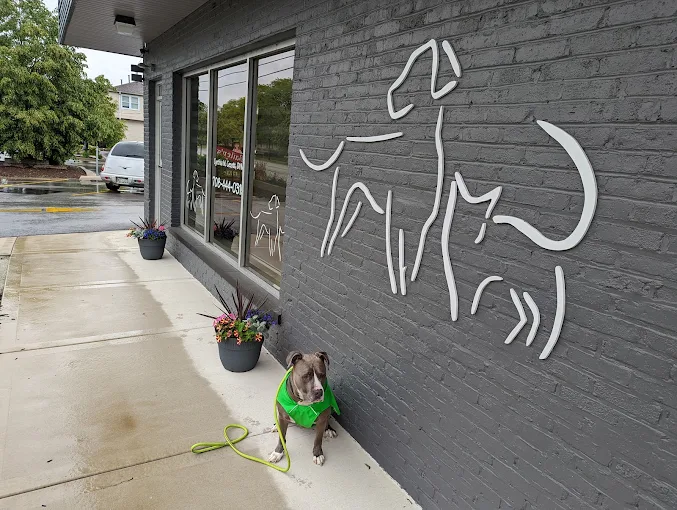
Schedule a Consultation for Pet Surgery in Tinley Park, IL
Veterinary Clinic of Tinley Park performs experience-backed pet surgery in Tinley Park. We understand how important your pet is to your family, and we treat every patient with the same care and attention we would give our own. If your pet may need surgery or you have questions about a procedure, we invite you to schedule a consultation by contacting our clinic.
Veterinary Clinic of Tinley Park provides surgery, including neuters and spays, for dogs and cats from Tinley Park, Orland Hills, Arbury Hills, Alpine, Mokena, Marley, Homer Glen, Orland Park, Oak Forest, Palos Park, Palos Heights, Alsip, Blue Island, Matteson, Frankfort Square, Frankfort, New Lennox, and neighboring Illinois areas.