
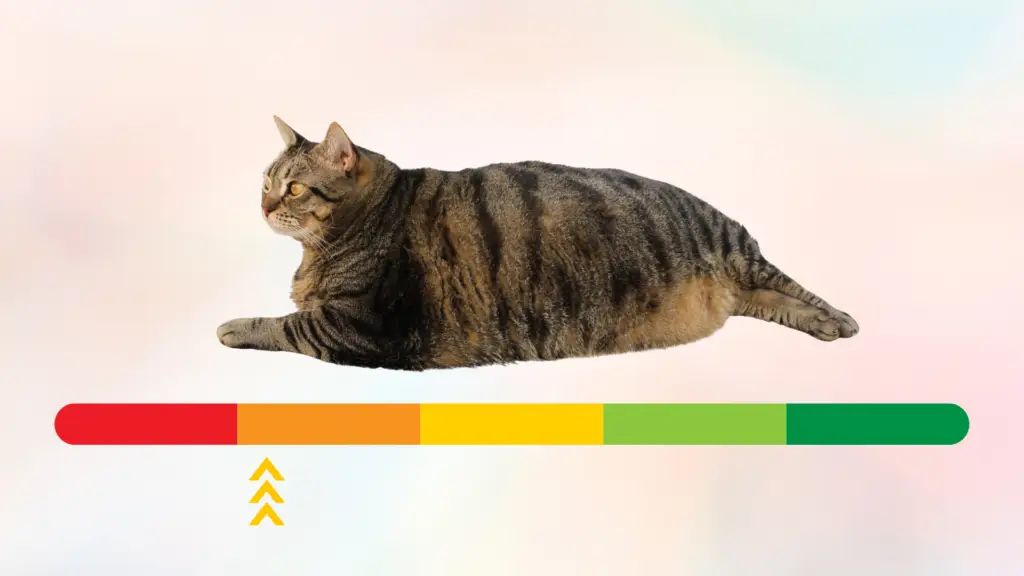
An overweight cat may look only a little rounder at first, yet gradual weight gain deserves attention. Changes in waist definition, jumping habits, grooming, or everyday activity may indicate that a pet’s body condition has shifted. A healthy weight differs from one cat to another. Age, body structure, nutrition, activity level, and medical history all influence ideal body condition, making veterinary guidance from Veterinary Clinic of Tinley Park important when extra pounds begin appearing.
When Extra Weight Becomes a Health Concern
Excess body fat may put additional strain on a cat’s joints and make ordinary movement more difficult. An overweight cat may face increased risks for diabetes, arthritis, and other health concerns. Extra weight may interfere with grooming and make jumping, climbing, or playing less comfortable. Keeping cats at an appropriate body condition supports mobility, daily comfort, and quality of life.
Why Some Cats Gradually Gain Weight
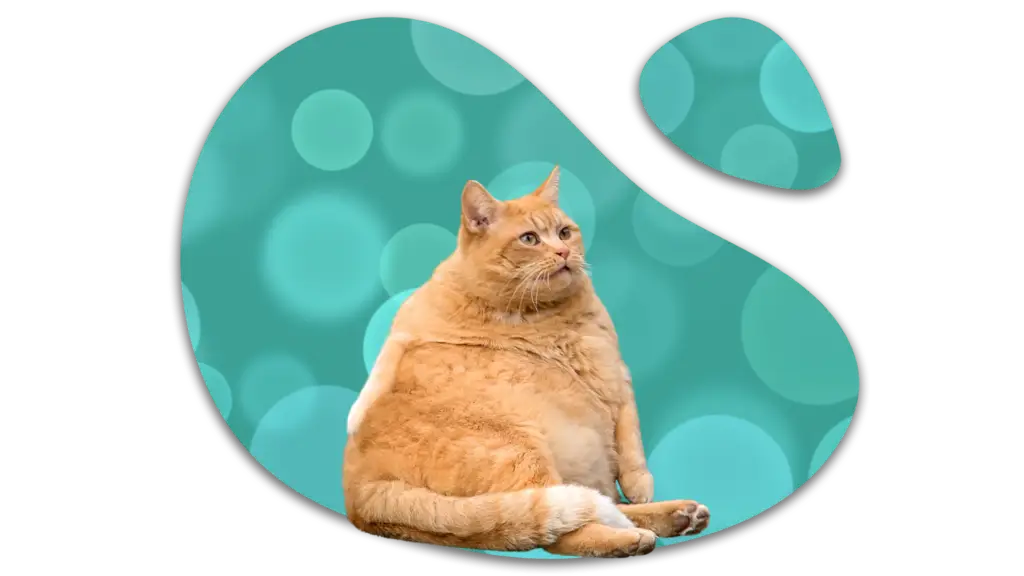
Nutrition and portion size frequently contribute to feline weight gain. Oversized servings, frequent treats, calorie-dense foods, and low activity may result in more calories being consumed than used. Aging and changes in routine may affect a cat’s energy needs as well. Medical issues sometimes contribute to weight changes, so significant diet adjustments should begin with a conversation with your veterinarian.
Signs Your Cat May Be Carrying Extra Pounds
Looking at your cat’s overall shape offers valuable clues about body condition. At an appropriate weight, the ribs should generally be detectable beneath a light covering of tissue, and some waist definition should be visible when viewed from above. A rounded abdomen, difficult-to-feel ribs, or little waist definition may indicate an overweight cat. The Association for Pet Obesity Prevention provides an at-home scoring chart for cats as a visual reference for pet owners.
A home assessment provides a starting point rather than a diagnosis. Your veterinarian may consider body condition, weight history, diet, activity, and overall health together.
Your Veterinarian Should Evaluate Ongoing Weight Gain
Schedule a veterinary appointment at Veterinary Clinic of Tinley Park when your cat begins gaining noticeable weight or develops changes in activity. A veterinary exam provides an opportunity to review feeding amounts, treats, exercise, and medical factors related to the change. Gradual weight management under veterinary direction is a much safer option than severe food restriction.
Three Smart Habits for Feline Weight Management
- Skip extreme diets and unverified nutrition advice found online. Discuss meaningful feeding changes with your veterinarian first.
- Measure meals consistently instead of estimating portions, and remember to include treats when considering daily food intake.
- Record changes in body condition, appetite, mobility, and activity to share useful observations during veterinary appointments.
Veterinary-Backed Weight Management for Cats in Tinley Park, IL
Veterinary Clinic of Tinley Park serves pet owners in Tinley Park, Orland Hills, Arbury Hills, and Alpine. If you are concerned about the weight of your cat, an individualized veterinary assessment provides valuable insight into nutrition, body condition, and overall wellness. Schedule an appointment to discuss your cat’s changing weight with our veterinarian.